Blog

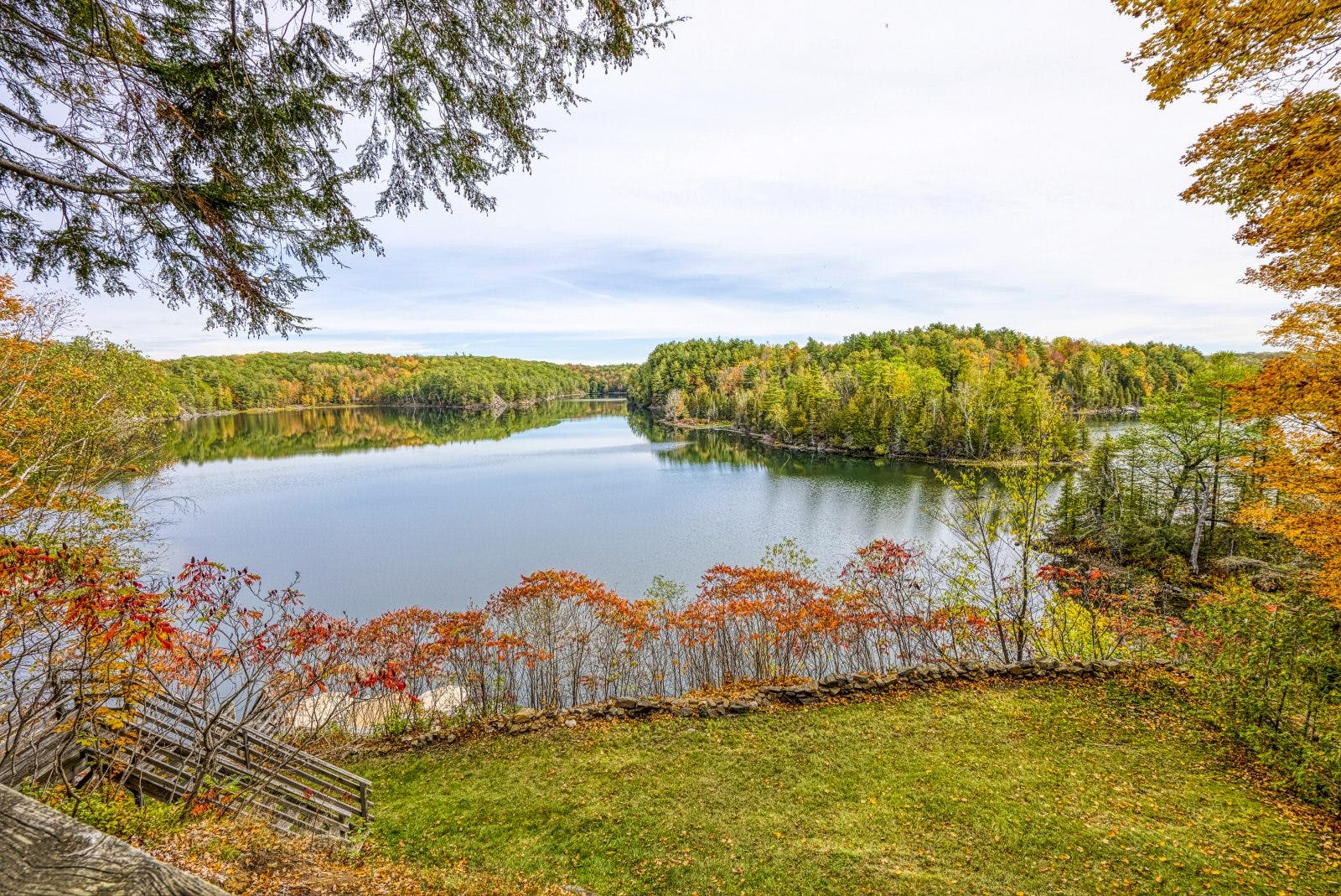
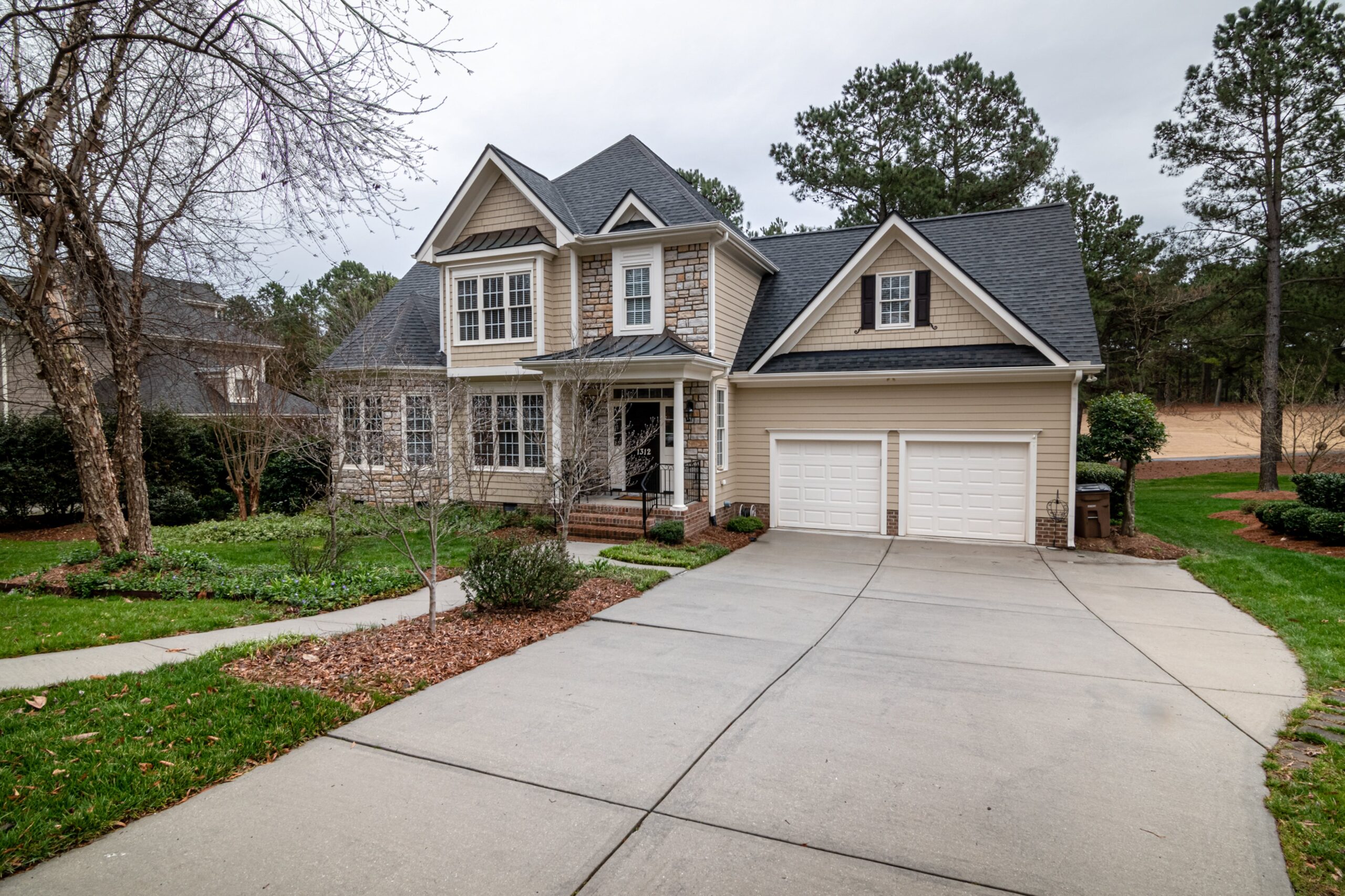
Featured image for a Kingston guide to home showings, offers, and a low-stress closing.

New Seller Series Part 2 of 3: Showings, Offers, and Closing: The Low-Stress Seller Playbook

✅ Start Here

Do this first

  • ☐ Set a 15-minute daily reset routine (kitchen, baths, floors, beds, entry).
  • ☐ Decide your must-haves and nice-to-haves before any offer arrives.
  • ☐ Gather key documents (taxes, utilities, upgrade receipts if available).

Why this matters: Showings and offer days feel easier when decisions are made early and your home stays consistently ready.
If you only do one thing… write down your must-haves now—future you will be grateful.


Quick Answer

To keep selling low-stress in Kingston, use a simple showing routine, reduce friction for buyers, and decide your offer terms in advance. A conditional offer means the sale depends on something happening first, like financing or a home inspection. Closing goes smoother when utilities stay on and inclusions are confirmed in writing.


Key Takeaways

  • A small routine beats panic cleaning.
  • Make showings easy—busy Kingston buyers notice.
  • Decide your offer terms before you’re under pressure.
  • Understand conditions so negotiations stay calm.
  • Closing week is smoother with a simple finish checklist.

Kingston Home Selling Series (Part 3 of 3)
You’ve done the prep. Now this post helps you keep showings easy, understand offers clearly, and finish closing week smoothly.

Start here: Part 1 — Kingston Home Selling Checklist: A Practical Week-by-Week Plan
Then: Part 2 — What to Fix (and Skip) Before Selling in Kingston
You’re reading: Part 3 — Showings, Offers, and Closing: The Low-Stress Seller Playbook


Part 1: Showings Without the Stress Spiral

Showings are where stress shows up.

The secret is not doing more.

It’s doing less, consistently.

Your “15-Minute Reset” (daily)

  • ☐ Kitchen: clear counters, wipe sink
  • ☐ Bathrooms: quick wipe, fresh hand towel
  • ☐ Floors: fast vacuum in main areas
  • ☐ Beds: straighten
  • ☐ Entry: shoes away, mat clean

Why it works: Most stress comes from panic cleaning. A small routine prevents it.

Make showings easy (buyers notice)

Little friction can reduce offers:

  • Hard showing rules
  • Strong smells
  • Dark rooms
  • Messy entry
  • Unclear inclusions (what stays)

Kingston note: Many buyers here are busy—professionals, military transfers, families. An easy showing experience helps your home stand out.

Pets, kids, work-from-home (simple plans)

If you have kids

  • One bin per room for quick pickup
  • Simple “photo rules” for bedrooms (no laundry piles)
  • A small “showing bag” for school papers and valuables

If you have pets

  • Plan ahead: crate, family help, or scheduled walks
  • Put bowls/litter items away
  • Open a window briefly after you leave

If you work from home

  • Choose one work zone that stays neat
  • Hide cords when possible
  • Keep cameras/microphones stored for photos

Simple local example: In winter, a last-minute showing can feel annoying. A set “go bag” (keys, dog leash, snacks, school papers) makes exits calm and quick.


Part 2: Offers and Negotiation (calm, not chaotic)

Here’s a term sellers hear a lot:

Conditional offer (plain definition): A conditional offer is an offer that depends on something happening first—like financing approval or a home inspection.

Decide your terms before any offer arrives

  • ☐ Your must-have terms (price, closing date, conditions)
  • ☐ Your nice-to-have terms (deposit size, inclusions like appliances)
  • ☐ Your net proceeds estimate (what you take home after costs)

Why this helps: You negotiate faster when you’re not debating from scratch.

Have a simple plan for inspections

Inspection conversations can feel emotional.

Keep it practical.

  • ☐ Decide what you’ll fix
  • ☐ Decide what you won’t fix
  • ☐ Decide what you’ll offer instead (if needed)

Why it helps: You stay calm and fair, and you protect your bottom line.

Kingston note (rural/waterfront nearby): Septic, well water, and access can be big topics. Having records ready reduces friction.


Part 3: Closing Week (protect the finish)

Closing week is about finishing strong.

Closing checklist

  • ☐ Keep utilities on until closing
    • Why this helps: Buyers do a final walkthrough and need everything working.
  • ☐ Confirm what stays and what goes (in writing)
    • Why this helps: Prevents last-minute disputes over items.
  • ☐ Final clean (or book a cleaner)
    • Why this helps: Reduces closing tension and feels respectful.
  • ☐ Keep receipts and documents accessible
    • Why this helps: Questions pop up, and fast answers keep things smooth.

Quick Checklist (copy/paste friendly)

Showings

  • ☐ Daily 15-minute reset
  • ☐ Manage pets plan
  • ☐ Basement lights on + dry-feeling
  • ☐ Entry clean and easy

Offers

  • ☐ Must-have terms decided
  • ☐ Nice-to-have terms decided
  • ☐ Net proceeds estimate reviewed
  • ☐ Inspection plan discussed

Closing

  • ☐ Utilities stay on
  • ☐ Inclusions confirmed in writing
  • ☐ Final clean booked
  • ☐ Receipts/documents handy

Common Mistakes

It’s common to…

  • Over-clean once, then burn out. (The routine is easier.)
  • Make showings too complicated.
  • Decide offer terms under pressure instead of ahead of time.
  • Forget that basements and lighting shape confidence fast.
  • Leave inclusions unclear (what stays), which can create tension later.

If this feels like a lot, start with the 15-minute reset. It’s the best “stress reducer” in the whole process.


FAQ (short, clear answers)

1) How do I keep my home ready for showings without losing my mind?
Use a small routine: 15 minutes daily beats panic cleaning. Focus on kitchen counters, bathrooms, floors, beds, and the entry.

2) What is a conditional offer in Ontario?
A conditional offer depends on something happening first, like financing approval or a home inspection. The sale isn’t firm until those conditions are met.

3) What do buyers in Kingston notice first during a showing?
Cleanliness, smells, lighting, and the feeling of maintenance. Basements can be a major decision point, especially in older homes.

4) What should I decide before offer day?
Your must-haves (price, closing date, conditions) and nice-to-haves (deposit, inclusions). Also review a net proceeds estimate so you understand what you’ll take home.

5) How should I handle inspection requests?
Stay calm and practical. Decide what you’ll fix, what you won’t, and what you’d offer instead if needed. Clear decisions reduce stress.

6) What’s the simplest way to make winter showings go well?
Keep the entry safe and bright: shovel, salt, and make sure lights work. Safety and ease matter a lot in winter.

7) Why do inclusions and exclusions matter?
They clarify what stays (like appliances) and what goes. When it’s clear in writing, you avoid last-minute disputes.

8) What should I do during closing week?
Keep utilities on, confirm what stays and goes in writing, do a final clean, and keep receipts/documents handy for quick answers.


Ontario Disclaimer

This article is for general information only and is not legal, tax, or financial advice. For advice on your situation, speak with your lawyer, accountant, and REALTOR®.


A No-Pressure Next Step

If you want, we can build a simple showing plan and offer strategy for your home—so you know what matters, what doesn’t, and how to move through the process with confidence.

Gazeley Real Estate Group
Jay, Sean & Turner Gazeley
Brothers. Family. REALTORS®. Here to help you move with confidence.
www.gazeleyrealestategroup.ca

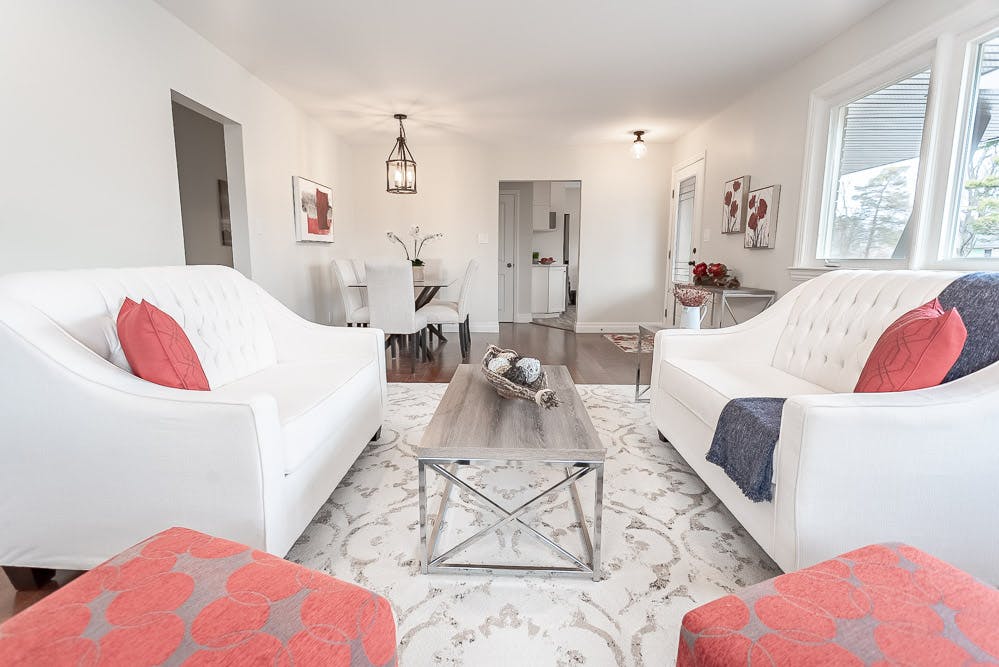
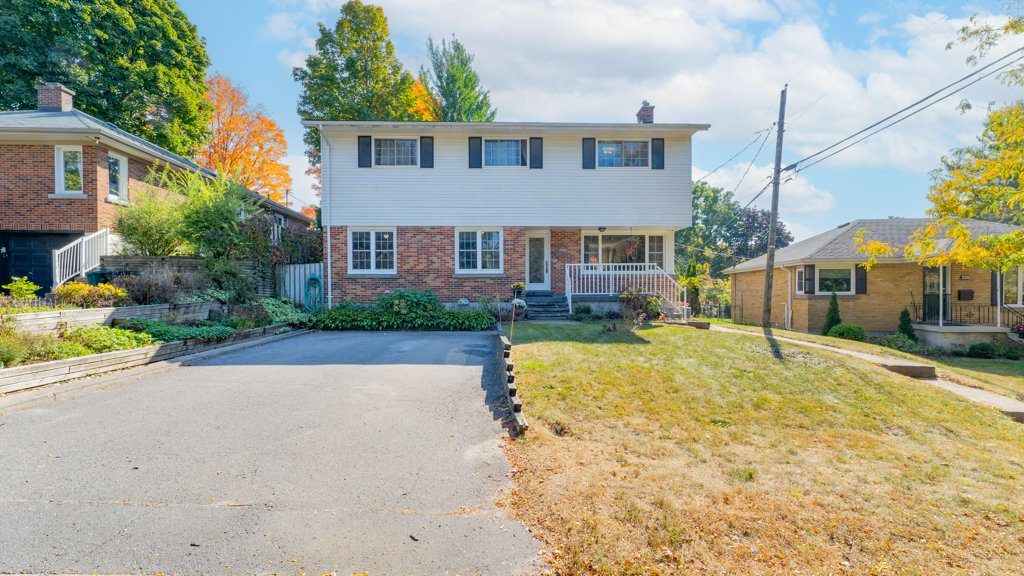
Featured image for a Kingston guide on what to fix and skip before selling a home.

New Seller Series Part 3 of 3: What to Fix (and Skip) Before Selling in Kingston

✅ Start Here

Do this first

  • ☐ Walk your home like a buyer and write down only what worries you in the first 3 minutes.
  • ☐ Fix 3 small “confidence” items (drip, loose handle, burned-out bulb).
  • ☐ Book one deep clean (or do a focused deep clean in the kitchen + main bath).

Why this matters: Buyers decide quickly, and small details shape confidence.
If you only do one thing… do a deep clean and remove clutter—it changes photos, showings, and first impressions.


Quick Answer

Before selling in Kingston, focus on the fixes buyers feel right away: deep cleaning, decluttering, lighting, small repairs, and smell control. Skip big renovations unless you have lots of time and a clear plan. In many Kingston homes, a bright, dry-feeling basement and simple winter curb appeal can protect buyer confidence.


Key Takeaways

  • Most “prep that pays” is basic maintenance + clean + bright.
  • Small fixes reduce buyer “what else is wrong?” thinking.
  • Basements matter in Kingston—make them feel dry, bright, and cared for.
  • Big projects can delay your listing and add stress.
  • You don’t need perfection—you need confidence.

Part 2 of 3: Kingston Home Selling (Step-by-Step Series)
This series keeps things simple: a clear plan, the right prep, and a smoother path to sold.

Start here: Part 1 — Kingston Home Selling Checklist: A Practical Week-by-Week Plan
You’re reading: Part 2 — What to Fix (and Skip) Before Selling in Kingston
Next: Part 3 — Showings, Offers, and Closing: The Low-Stress Seller Playbook


The Goal: Buyer Confidence, Not Perfection

When buyers walk through, they’re not scoring you on interior design.

They’re asking one quiet question: “Does this home feel cared for?”

Prep that pays is the prep that answers that question quickly.


Fix This First (high impact, low drama)

These are the items that often help the most because buyers notice them right away.

1) Small repairs that remove doubt

  • ☐ Dripping taps
  • ☐ Sticky doors
  • ☐ Loose railings
  • ☐ Loose handles
  • ☐ Broken lights

Why it helps: Buyers mentally stack little costs. A few “obvious fixes” can prevent a bigger discount in their mind.

2) Patch + touch-up where eyes land

Focus on:

  • Entry area
  • Hallways
  • Stairwells
  • High-traffic corners

Why it helps: Scuffs can read like “deferred maintenance,” even when the home is solid.

3) Deep clean once (then maintain)

Deep cleaning wins in:

  • Kitchens (hood fan, backsplash, sink)
  • Bathrooms (grout, glass, baseboards)
  • Floors (especially in main areas)

Why it helps: Clean homes feel brighter in photos and calmer in person.

4) Lighting consistency

  • ☐ Replace dim bulbs
  • ☐ Use matching bulbs
  • ☐ Keep a warm neutral tone

Why it helps: Photos and evening showings look better when lighting feels even.

5) Smell control (quietly powerful)

Common sources:

  • Pets
  • Smoke
  • Damp basement
  • Cooking odours

Why it helps: Smell is emotional. It creates fast “no” reactions.


Kingston-Specific Prep: Basements (especially in older homes)

In Kingston, basements can be a major decision point—especially in older neighbourhoods.

You don’t need a “perfect basement.” You want a basement that feels dry, bright, and straightforward.

Make the basement feel confident

  • ☐ Bright lighting (replace dim bulbs)
  • ☐ Dehumidifier if needed (and keep it emptied)
  • ☐ Storage away from foundation walls
  • ☐ Address obvious water signs (get advice if needed)

Simple local example: If your basement has that “cool, damp” feel, turning on all lights, running a dehumidifier, and clearing the edges can make it feel safer in five minutes.


Kingston Winter Curb Appeal (simple, not fancy)

Winter curb appeal is mostly about safety and ease.

  • ☐ Shovel a clear path
  • ☐ Salt steps and walkways
  • ☐ Add or check entry lighting
  • ☐ Tidy the front step and door
  • ☐ Keep mats simple and clean

Why it helps: Buyers relax when the entrance feels safe. Relaxed buyers stay longer—and see more.


What to Skip (most of the time)

This is where sellers can accidentally spend a lot and still not get the result they hoped for.

Skip big renovations unless you have time + a plan

It’s common to think: “Maybe we should redo the bathroom.”

Sometimes that’s right. Often, it delays your listing and adds stress.

Most buyers pay more for homes that feel:

  • Clean and well-kept
  • Bright and uncluttered
  • Maintained with care

If you’re unsure, start with the basics first. You can always add more later.


Quick Checklist (copy/paste friendly)

Fix (usually worth it)

  • ☐ Deep clean (kitchen + baths + floors)
  • ☐ Declutter room by room
  • ☐ Patch and touch-up scuffs
  • ☐ Fix drips / sticky doors / loose railings
  • ☐ Improve lighting consistency
  • ☐ Remove smells (pets, smoke, damp)
  • ☐ Basement: bright + dry-feeling
  • ☐ Winter: shovel + salt + lighting

Skip (often not needed)

  • ☐ Big renovations “just because”
  • ☐ Projects that delay listing with no clear payoff
  • ☐ Over-personal styling (too many items, busy counters)

Common Mistakes (kindly)

It’s common to…

  • Spend money before you decide your timeline and pricing plan.
  • Renovate a room that doesn’t change buyer confidence.
  • Leave smells or dim lighting “for later.”
  • Let the basement feel dark or crowded, which can read as risk.
  • Try to do everything at once instead of one room at a time.

If this feels like a lot, start with deep cleaning and decluttering. Momentum matters.


FAQ (short, clear answers)

1) What should I fix before listing in Kingston?
Fix what buyers notice right away: leaks, loose railings, broken lights, damaged trim, and strong smells. These items affect confidence quickly.

2) Do I need to paint before I sell?
Not always. Paint helps most when walls are marked or bold. If paint is fine, deep cleaning and decluttering usually matter more.

3) Is staging worth it?
Often, yes—especially if the home feels crowded or empty. Staging means arranging furniture and décor to help buyers picture living there.

4) What about the basement?
Basements often influence trust, especially in older Kingston homes. Aim for bright lighting, a dry feel, and clear space near foundation walls.

5) Should I renovate the kitchen or bathroom first?
Big projects can delay your listing and add stress. In many cases, cleaning, lighting, small fixes, and decluttering create the best first impression.

6) What are “buyer-confidence items”?
They’re the things buyers use to judge maintenance: clean surfaces, working fixtures, safe railings, bright rooms, and no obvious water issues.

7) How do I handle winter curb appeal?
Keep it safe and simple: shovel, salt, and add lighting. A clear path and a bright entry help buyers feel comfortable immediately.

8) What if I don’t have time for everything?
That’s okay. Start with deep cleaning and decluttering, then fix a short list of obvious issues. You don’t need perfection—you need confidence.


Ontario Disclaimer

This article is for general information only and is not legal, tax, or financial advice. For advice on your situation, speak with your lawyer, accountant, and REALTOR®.


A No-Pressure Next Step

If you want, we can turn your fix/skip list into a simple plan for your home—what’s worth doing, what’s not, and what will help buyers feel confident.

Gazeley Real Estate Group
Jay & Sean Gazeley
Brothers. REALTORS®. Here to help you move with confidence.
www.gazeleyrealestategroup.ca

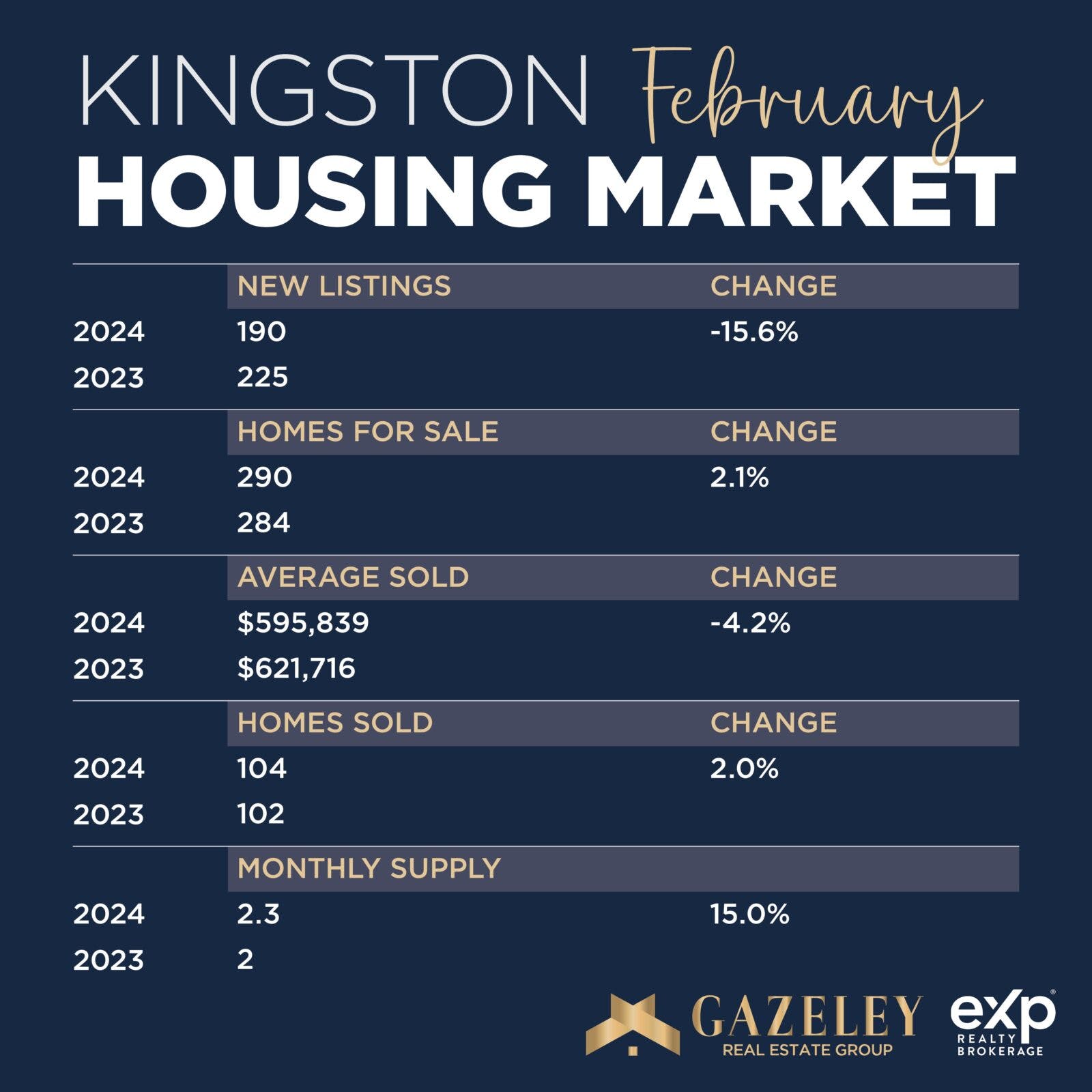
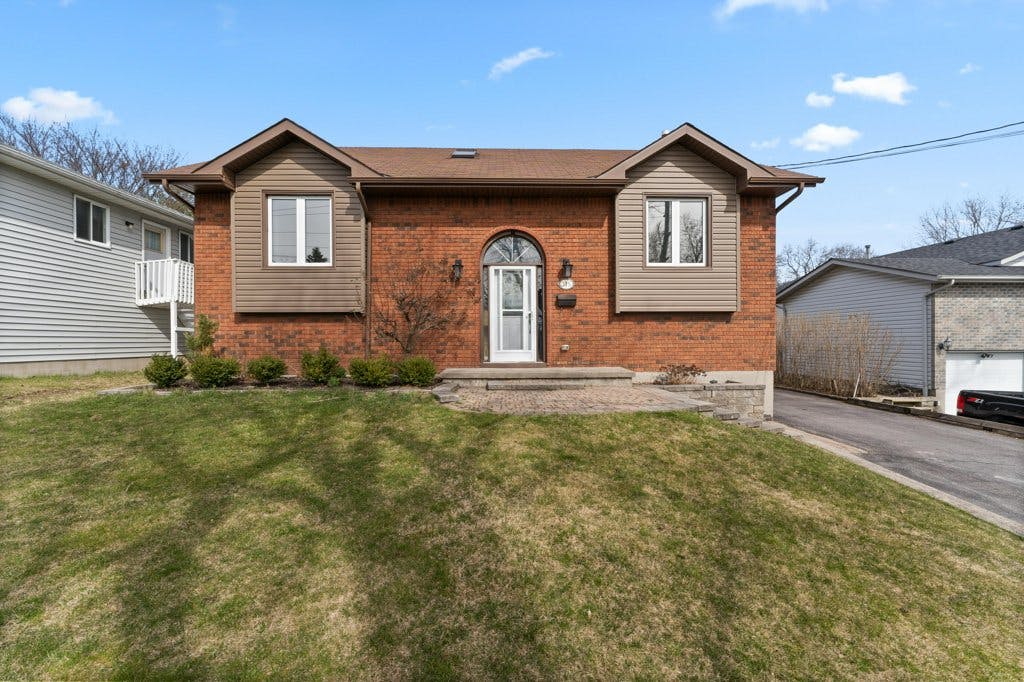
Featured image for a Kingston home selling checklist and week-by-week plan.

Kingston Home Selling Checklist: A Practical Week-by-Week Plan

✅ Start Here

Do this first

  • ☐ Pick your target move date and how flexible you can be (even “± 2 weeks” helps).

  • ☐ Book a pricing conversation / home evaluation so you’re not guessing.

  • ☐ Start one “declutter zone” today (one closet or one counter) and keep going room by room.

Why this matters: The right order prevents overspending, last-minute stress, and avoidable price drops.
If you only do one thing… decide your timeline + pricing plan before you spend money on prep.


Quick Answer

A Kingston home selling checklist works best when you follow a simple order: decide your timeline, your pricing plan, and your prep budget first—then focus on decluttering, cleaning, and small fixes buyers notice right away. In Kingston, basements, older-home upkeep, and winter curb appeal can quickly shape buyer confidence.


Key Takeaways

  • Start with three decisions: timeline, pricing plan, prep budget.

  • Most prep is decluttering, deep cleaning, and small fixes—not big renovations.

  • In Kingston, buyers pay close attention to basements and older-home maintenance.

  • A simple 15-minute showing routine keeps life normal.

  • Offers go smoother when you pre-decide must-haves and nice-to-haves.

Kingston Home Selling Series (Part 1 of 3)
Selling can feel like a lot. This short series breaks it into simple, calm steps—so you always know what to do next.

You’re reading: Part 1 — Kingston Home Selling Checklist: A Practical Week-by-Week Plan
Next: Part 2 — What to Fix (and Skip) Before Selling in Kingston
Then: Part 3 — Showings, Offers, and Closing: The Low-Stress Seller Playbook


Before You Touch a Paintbrush: 3 Decisions That Drive Everything

It’s tempting to start with paint colours and new lights.

Pause there.

Before you spend a dollar, lock in three decisions. This is how you protect your time, money, and price.

1) Your timeline (when do you actually want to move?)

Why it matters: Your timeline decides how aggressive your plan needs to be.

  • If you need to be sold in 30–60 days: focus on speed and certainty. Choose high-impact, low-time tasks.

  • If you have 3–6 months: you have room for deeper prep and better scheduling.

Simple local example: If you’re listing during a Kingston winter stretch, showings can feel more “selective.” A clean, simple plan helps your home feel like an easy yes from the first walk-through.

2) Your pricing plan (not the price—your plan)

Why it matters: Pricing is a strategy, not just a number.

A pricing plan answers:

  • Are we aiming to create strong early interest?

  • Are we okay adjusting quickly if the market gives feedback?

  • What matters more: timing or maximum price?

Plain-language note: Market value means what a willing buyer will pay today, not what a home “should” be worth.

3) Your prep budget (time + money)

Why it matters: Sellers often overspend on the wrong things and underspend on basics.

A practical prep budget usually includes:

  • Small repairs (handles, caulking, touch-ups)

  • Deep cleaning (often the best return—meaning what you get back for what you spend)

  • Storage (a locker, pod, or simple garage plan)

  • Minor curb appeal (or snow/ice management in winter)

  • Optional staging help (staging = arranging furniture and décor so buyers can picture living there)

If this feels like a lot, start with the timeline. Everything gets easier once that’s clear.


Kingston Home Selling Checklist: Week-by-Week

Use this like a project plan. Check boxes. Keep it moving.

If you do nothing else, do the “confidence items” buyers feel right away: clean spaces, good lighting, no obvious water issues, and no strong smells.

60–90 days before listing (get organized and make a plan)

  • Book a pricing conversation / home evaluation

    • Why this helps: You avoid prepping for the wrong buyer and the wrong price bracket.

  • Walk your home with a buyer lens (pretend you’re touring it for the first time)

    • Why this helps: Sellers stop noticing what buyers notice immediately.

  • Create a simple fix list (only items buyers will worry about)

    • Why this helps: You reduce “fear offers,” where buyers discount heavily because they feel uncertain.

  • Start decluttering one room at a time

    • Why this helps: Space sells. Clutter makes rooms feel smaller.

  • Plan storage (basement, garage, a locker, or a pod)

    • Why this helps: In many Kingston homes, buyers want the garage to look usable—not packed.

  • Gather documents you already have (see Documents section below)

    • Why this helps: Paperwork delays can slow closing or create renegotiations.

Kingston note (older homes): Buyers often focus on electrical, plumbing, insulation, and basement moisture—especially in central Kingston. You don’t need perfection. You need confidence.


30–60 days before listing (prep buyers can feel)

  • Patch and touch-up walls (hallways and stairwells first)

    • Why this helps: Scuffs can read like “deferred maintenance,” even when the home is solid.

  • Fix obvious items (dripping taps, sticky doors, loose railings)

    • Why this helps: Buyers mentally stack these costs and reduce their offer.

  • Deep clean (or hire it once)

    • Why this helps: Clean homes feel cared for—and photos look brighter.

  • Make lighting consistent (matching bulbs, warm neutral tone)

    • Why this helps: Evening showings and photos look better.

  • Address smells (pets, smoke, damp basement, cooking odours)

    • Why this helps: Smell is emotional. It creates fast “no” reactions.

  • Decide what furniture stays vs. gets stored

    • Why this helps: Clear flow makes rooms feel larger.

Tiny, high-payoff tweak: If your hallway feels tight, remove one piece (bench, console, shoe rack). The home feels easier the second buyers walk in.


7–30 days before listing (photo-ready and listing-ready)

  • Final declutter (counters, nightstands, bathroom surfaces)

    • Why this helps: Buyers don’t buy your stuff. They buy the space.

  • Curb appeal basics (front door, mats, tidy steps)

    • Why this helps: The first 10 seconds matter.

  • Review listing details (age, upgrades, utilities, lot, inclusions/exclusions)

    • Why this helps: Fewer surprises later.

  • Plan a simple showing routine

    • Why this helps: Protects your schedule and lowers stress.

Kingston note (Queen’s / student areas): Buyers may ask about parking, licensing rules, or how the home has been used. Clear, honest answers build trust.


Listing week (launch clean and confident)

  • Professional photos (and video if it fits your plan)

    • Why this helps: Online presentation drives showings. Showings drive offers.

  • Do a “hotel reset” the night before photos (floors, bathrooms, counters, beds)

    • Why this helps: Photos live online for a long time.

  • Lock away valuables and personal info (mail, passports, small electronics)

    • Why this helps: Peace of mind during showings.

  • Confirm showing instructions and notice times

    • Why this helps: Better buyer experience, fewer disruptions.


Showing period (keep it simple and consistent)

  • Daily 15-minute reset (see below)

  • Manage pets (crate, family help, planned outings)

  • Keep basements dry and bright (lights on, dehumidifier if needed)

  • Track feedback (what people love, what worries them)

Kingston winter note: Curb appeal becomes snow, ice, and lighting. A shoveled path, salted steps, and a well-lit entrance can change how safe a home feels.


Quick Checklist (copy/paste friendly)

☐ 60–90 days before listing

  • ☐ Pricing conversation / home evaluation

  • ☐ Timeline decided (move date + flexibility)

  • ☐ Prep budget set (time + money)

  • ☐ Declutter started (one room at a time)

  • ☐ Fix list created (buyer-confidence items)

  • ☐ Storage plan started

  • ☐ Documents gathered (taxes, utilities, permits if available)

☐ 30–60 days before listing

  • ☐ Patch/touch-up walls

  • ☐ Fix drips, doors, handles, railings

  • ☐ Deep clean completed

  • ☐ Smells addressed (pets, smoke, damp)

  • ☐ Lighting improved (consistent bulbs)

  • ☐ Curb appeal basics started

☐ 7–30 days before listing

  • ☐ Counters cleared + closets tidied

  • ☐ Basement bright/dry

  • ☐ Showing routine planned

  • ☐ Listing details confirmed (upgrades + inclusions/exclusions)


Your Simple Showing Plan (so life stays normal)

The 15-minute daily reset

  • Kitchen: clear counters, wipe sink

  • Bathrooms: quick wipe, fresh hand towel

  • Floors: fast vacuum in main areas

  • Beds: straighten

  • Entry: shoes away, mat clean

If you have kids

  • One bin per room (quick sweep)

  • Simple “photo rules” (no laundry piles)

  • One small “showing bag” for papers and valuables

If you have pets

  • Plan ahead: crate, family help, or a walk

  • Put bowls/litter items away for showings

  • Quick fresh air after you leave


Documents and Logistics (Ontario-specific, simple language)

You don’t need every document in the world. Gather what you have, and know what buyers may ask for.

  • Utility bills (approximate monthly costs)

  • Property tax info

  • Permits and receipts for upgrades (if you have them)

  • Survey (if available)

  • Condo status certificate (if condo)

  • Well and septic records (if rural)

  • Waterfront/rural access details (if applicable)

Plain definitions

  • A survey is a drawing that shows boundaries and structures.

  • A status certificate is a condo’s official package showing fees, rules, and financial health.


Common Mistakes (kindly)

It’s common to…

  • Start with projects before deciding timeline + pricing plan.

  • Overspend on “big renos” and underdo deep cleaning and small fixes.

  • Ignore smells or dim lighting (buyers react fast).

  • Let the basement feel dark or damp, especially in older Kingston homes.

  • Make showings hard, which can quietly reduce offers.


FAQ (short, clear answers)

1) How long does it take to sell a home in Kingston?
It depends on price, condition, and timing. Some homes sell quickly when they’re priced right and show well. Others take longer if buyers feel repair risk or the price doesn’t match what buyers are seeing.

2) What should I fix before listing?
Fix what buyers notice and worry about: leaks, loose railings, broken lights, damaged trim, and strong smells. These items affect confidence fast.

3) Do I need to paint before I sell?
Not always. Paint helps most when walls are marked or bold. If your paint is fine, prioritize decluttering and deep cleaning first.

4) Is staging worth it in Kingston?
Often, yes—especially if the home feels crowded or empty. Even “soft staging” helps: better lighting, fewer items, and a cleaner layout. (Staging means arranging furniture and décor to help buyers picture living there.)

5) What if I have an older Kingston home?
Older homes can sell very well when buyers feel confident. Focus on clean, bright spaces, a basement that feels dry, and clear notes on upgrades you’ve done.

6) What documents do buyers usually ask for?
Often: taxes, utilities, upgrade receipts if available, condo status certificate (for condos), and well/septic info (for rural). Having what you can find organized helps keep things smooth.

7) How do I handle showings with pets and kids?
Use a simple routine and a plan for quick exits. A daily reset plus a go-to solution (crate, walk, family help) keeps it manageable.

8) What’s the biggest mistake sellers make?
Starting with projects instead of a plan. When you decide timeline, pricing plan, and prep budget first, you usually get better photos, smoother showings, and stronger buyer confidence.


Ontario Disclaimer

This article is for general information only and is not legal, tax, or financial advice. For advice on your situation, speak with your lawyer, accountant, and REALTOR®.


A No-Pressure Next Step

If you want, we can turn this checklist into a simple plan for your specific home—what to do, what to skip, and what will actually help your price in Kingston.

Gazeley Real Estate Group
Jay, Sean & Turner Gazeley
Brothers. Family. REALTORS®. Here to help you move with confidence.
www.gazeleyrealestategroup.ca


Continue reading

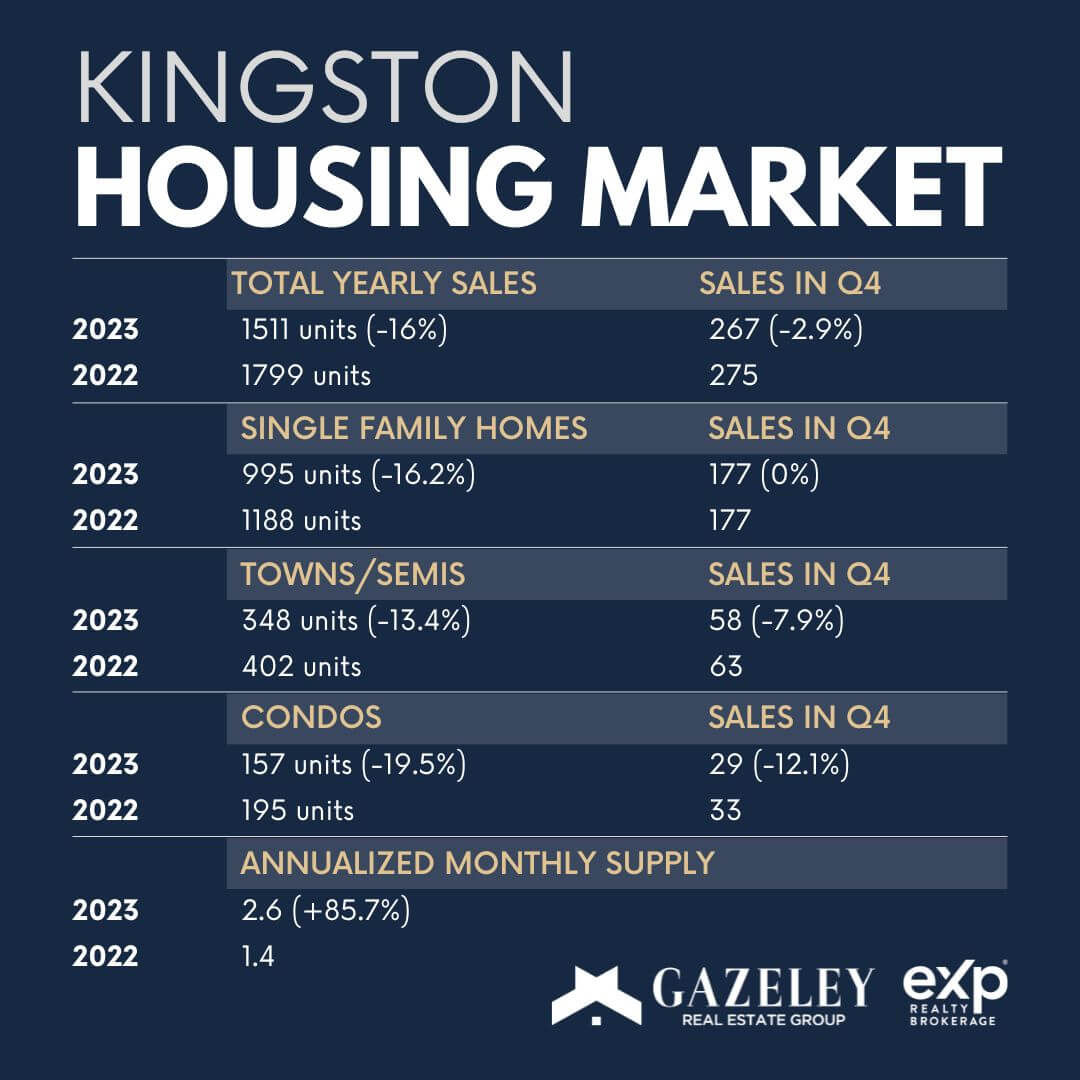
Should I renovate before selling? Kingston Ontario home selling guide featured image

Should I Renovate Before Selling? A Simple Guide for Kingston Homeowners

One of the most common questions I hear from sellers in Kingston & Area is:

“Should I renovate before selling… or list it as-is?”

It’s a fair question. Renovations cost money, take time, and not every upgrade pays you back.

Here’s the good news: most sellers don’t need a full renovation to sell well. The best results usually come from a smart plan—focused improvements, strong presentation, and pricing that fits the market.


Start Here

  • Renovate when there are deal-breakers (safety issues, major wear, or very dated finishes that turn buyers off).
  • Don’t renovate when you’re short on time, cash is tight, or upgrades would over-price your home for your area.
  • Quick wins often beat big projects: paint, lighting, minor repairs, decluttering, and staging.
  • The goal isn’t perfection. The goal is buyer confidence—so your home feels easy to move into.

The Real Goal: Better Results Without Overdoing It

Most people renovate for one of two reasons:

  1. To attract more buyers (and create stronger interest)
  2. To avoid price pressure because buyers see “work needed” and discount the home

But here’s the key: some renovations don’t increase the sale price enough to justify the cost and hassle. The goal isn’t “do everything.” It’s do the right things.


A Simple Decision Framework: Renovate vs. Don’t Renovate

Step 1: What’s your timeline?

  • 0–4 weeks to list: Avoid major renovations. Focus on quick wins and presentation.
  • 1–3 months to list: Consider one high-impact project if it’s straightforward.
  • 3–12 months to list: You have more options, but you still need to choose wisely.

Step 2: What’s your budget and comfort level?

If renovations mean debt, draining savings, or major stress, they usually aren’t worth it right before selling. Renovations also tend to run over—both in cost and time.

Step 3: What kind of home is it?

  • Entry-level and mid-range homes: “Move-in ready” matters more because budgets are tighter.
  • Higher-end homes: Buyers expect quality and notice shortcuts.
  • Cottages/rural homes: Practical items (roof, water, septic, access) often matter more than trendy finishes.

Step 4: Don’t ignore the neighbourhood ceiling

Every area has a rough price “ceiling”—a point where buyers stop paying more because better options exist nearby.

West End example: In the west end, a lot of buyers are comparing homes side-by-side—often looking for clean, bright, and “move-in ready.” I’ve seen sellers consider a big kitchen renovation, but get a better result by doing a smart refresh instead: paint, updated lighting, modern hardware, and staging. The home shows better, photographs better, and you avoid spending months (and a big budget) trying to build a “perfect” kitchen that buyers may not pay extra for.


Renovate vs. Don’t Renovate: A Simple Table

SituationUsually Best MoveWhy
You want to list soon (under 30 days)Don’t renovate bigTime pressure leads to rushed work
Home feels “tired” but not brokenQuick wins + stagingFast, affordable, strong impact
Kitchen/bath is very dated and turning buyers offTargeted refreshRemoves a major objection
Major issues (leaks, unsafe wiring, roof concerns)Fix the problemBuyers fear unknowns and discount hard
Renovation would require loans or major disruptionSell as-is strategicallyProtect your finances and sanity
Your reno would price you above neighbourhood valueDon’t over-improveYou may not get paid back

High-Impact Renovations vs. Low-Return Projects

Usually Worth It (High Impact)

1) Paint (neutral, fresh, consistent)
Paint is one of the best “reset buttons.” It makes the home feel clean and cared for, and it photographs well.

2) Lighting improvements (simple fixtures, brighter rooms)
Better lighting makes rooms feel larger and warmer.

3) Small repairs and “tightening up” the home
Loose handles, dripping taps, sticky doors, missing trim, chipped baseboards. These small items suggest deferred maintenance and create doubt.

4) Flooring fixes (only where needed)
Often it’s a few worn areas that drag down the whole home.

5) A modest kitchen/bath refresh (not a full gut job)
Think: new hardware, updated faucet, modern light fixture, fresh paint, new mirror, and clean counters. The goal is to remove objections.


Often Not Worth It (Low Return)

1) Full kitchen gut renovations
High cost, long timeline, and buyers may not like your choices.

2) High-end upgrades that don’t match the home
Luxury finishes in an otherwise average home can feel out of place.

3) Over-customization
Bold tile, very trendy design choices, unusual built-ins—these can shrink your buyer pool.

4) Big additions right before selling
Permits, timelines, cost overruns. Usually better when the owner will enjoy it for years.

5) Major landscaping overhauls
Curb appeal matters, but you can often get most of the result with cleanup, edging, and fresh mulch.


Quick Wins Checklist: Low-Cost, High-Impact (Weekend Friendly)

  • Declutter counters and surfaces (kitchen, bathrooms, entry)
  • Deep clean (especially kitchens, baths, floors, windows)
  • Patch and paint scuffs (doors and hallways first)
  • Replace burnt bulbs and brighten dark corners
  • Tidy the front entrance (mat, door, house numbers)
  • Fix obvious small issues (handles, latches, drips, caulking)
  • Remove extra furniture so rooms feel bigger
  • Freshen curb appeal: sweep, trim, edge, mulch, planters
Weekend pre-listing checklist of quick wins for Kingston Ontario home sellers

Alternatives to Renovating (That Often Work Better)

1) Staging (or “soft staging”)

Staging helps buyers picture living in the home. Sometimes it’s full staging. Often it’s simply fewer items, better layout, and clean styling.

2) Touch-ups instead of replacements

Repaint cabinets, swap outdated light fixtures, change hardware, update faucets, replace a tired mirror. Small changes can modernize the feel.

3) A pre-listing home inspection

A pre-listing inspection is done before you list. It helps you fix key issues proactively, avoid surprises, and reduce renegotiations.

East End example: In the east end, you’ll often get a mix of buyers—some looking for family-friendly areas and some focused on value. If a home has a few “unknowns,” buyers can get cautious fast, especially once they start thinking about inspections. A pre-listing inspection helps you get ahead of that. Even if you don’t fix everything, you can handle the important items, explain what’s been done, and price/position the home with a clear plan—so you’re less likely to get surprised mid-deal.


Common Seller Traps (and How to Avoid Them)

  • Renovating for personal taste: Keep choices simple and broadly appealing.
  • Doing too much too late: If you’re listing soon, focus on quick wins and presentation.
  • Rushing the work: Clean finishing beats big projects done fast.
  • Over-improving for the neighbourhood: Match what buyers expect for your area and price point.
  • Forgetting buyers shop online first: Presentation and photography matter more than most sellers realize.

Pricing Strategy and Buyer Psychology (The Part Most Sellers Miss)

Buyers don’t pay you back dollar-for-dollar for renovations. They pay for confidence, condition, and less hassle.

When a buyer thinks “this needs work,” they don’t just subtract the cost of the work. They also subtract time, stress, and risk. That “risk discount” can be bigger than the renovation quote.


So… Should You Renovate Before Selling?

Renovate when:

  • Buyers will notice the issue right away and hesitate
  • The fix is straightforward and improves first impressions
  • It fits your budget and timeline
  • It helps you compete with similar listings

Don’t renovate when:

  • You’re short on time
  • It creates financial stress
  • It would push your home above neighbourhood value
  • You can get the result through presentation, repairs, and smart marketing

  • Kingston home selling checklist
  • How pricing works in Kingston
  • What staging is and why it matters
  • Preparing for a home inspection
  • What to do before you list your home

Renovate vs don’t renovate decision guide for Kingston Ontario home sellers

Want a Simple Plan for Your Home?

Every home is different. The smartest approach is a quick walk-through where we:

  • Identify what’s worth doing (and what to skip)
  • Prioritize the best quick wins
  • Build a simple plan that fits your timeline and budget

If you’d like, book a Renovation ROI Walkthrough or a Pre-Listing Game Plan with the Gazeley Real Estate Group. No pressure — just clear advice and a plan that makes sense.


FAQ: Renovating Before Selling in Kingston

1) Should I renovate before selling in Kingston, Ontario?

Sometimes. If your home has clear deal-breakers (safety issues, major wear, or very dated finishes), a few targeted improvements can help. If the home is generally solid, quick wins and presentation often get you most of the benefit without a major renovation.

2) What renovations add the most value before selling?

Usually the basics that buyers notice right away: fresh neutral paint, better lighting, small repairs, and a clean, modern feel. Modest kitchen and bathroom refreshes can help too—without doing a full gut job.

3) Should I renovate my kitchen before selling?

Most of the time, no to a full renovation. A kitchen refresh is often enough: updated hardware, lighting, faucet, clean counters, maybe a cabinet paint job if needed. The goal is to remove objections, not build a dream kitchen for the next owner.

4) Should I renovate my bathroom before selling?

If it’s extremely dated or in rough shape, a refresh can help. Often that means new mirror/light, fresh paint, updated faucet, and clean caulking. Full bathroom renovations can be expensive and slow, so they only make sense in certain situations.

5) Is it better to sell as-is or renovate?

It depends on timeline, budget, and condition. If renovating creates stress or debt, selling as-is with the right pricing and marketing plan can be the smarter move. If there are obvious issues that will scare buyers, fixing those items first usually helps.

6) What are the best “quick wins” before listing?

Declutter, deep clean, patch and paint scuffs, update lighting, fix the small things (handles, drips, doors), and improve curb appeal. These are the changes that make a home feel cared for—and that shows in photos.

7) Should I do a pre-listing home inspection?

It can be a great move, especially if you want fewer surprises. A pre-listing inspection helps you fix key items ahead of time and reduces the risk of renegotiation later. It also helps you list with a clearer plan.

8) What if I can’t afford renovations?

That’s more common than people think. In that case, focus on what you can control: cleanliness, decluttering, small repairs, and presentation. Then build a pricing and marketing plan that fits the home and attracts the right buyer.

9) Can renovations ever hurt my sale?

Yes. Over-custom improvements, very trendy design choices, or rushed workmanship can turn buyers off. Over-improving beyond what the neighbourhood supports can also make it harder to justify the price.

10) How do I know what’s worth doing for my specific home?

A quick walk-through is the easiest way. I can help you prioritize what will actually matter to buyers in your price range and area, and what you can skip.


About the Gazeley Real Estate Group

Jay & Sean Gazeley are Kingston & Area REALTORS® with Century 21 Heritage Group Ltd., Brokerage. Together with Turner Gazeley we help sellers prepare, price, and market their homes with a clear plan and calm guidance — so you can move with confidence.

Exterior view of 1000 King Street West condo building in Kingston Ontario

Condo Living in Kingston, Ontario: Why 1000 King Street West is a Smart Choice

If you’ve been thinking about condo living in Kingston, Ontario, you’re not alone. More and more buyers are choosing condos for the lifestyle, the convenience, and the comfort they offer.

One standout option right now is Suite 1202 at 1000 King Street West — a bright, spacious 2-bedroom condo with great views, modern updates, and a prime location in Central City West.

Let’s explore why condo living in Kingston is so appealing, and why this particular condo could be the right fit for you.


Why Kingston is a Great Place to Live

Kingston offers the best of both worlds. You get the charm of a historic city with the convenience of modern amenities.

There’s waterfront, parks, golf courses, hospitals, shops, restaurants, and easy access to downtown. Whether you enjoy walking by the water, meeting friends for coffee, or staying active, Kingston makes it easy.

Condo living lets you enjoy all of this without the work of owning a house.


Why Central City West is a Prime Location

1000 King Street West is located centrally in Kingston, ON and is close to Portsmouth Village. This part of Kingston is popular because it’s:

  • Close to hospitals
  • Near waterfront trails
  • Minutes from downtown
  • Near parks and golf courses
  • Easy access to public transit

You can get around the city quickly, whether you drive, walk, or take the bus. Everything you need is nearby.


The Benefits of Condo Living in Kingston

Virtually staged living and dining area in 1000 King Street West Unit 1202 Kingston condo
This main living space has been virtually staged to show the layout and potential of Suite 1202 at 1000 King Street West.

Condo living is about simple living.

Instead of worrying about snow removal, lawn care, or building maintenance, the condo corporation handles it. That gives you more time to enjoy life.

1. Low Maintenance Lifestyle

No shoveling. No mowing. No exterior repairs.
Just lock the door and go.

2. Great Amenities

Many Kingston condos offer features you’d normally pay extra for, like gyms, pools, and social spaces.

3. Strong Sense of Community

Buildings like 1000 King Street West have active social clubs and shared spaces where neighbours connect.

4. Security

Controlled entry, underground parking, and monitored systems give peace of mind.

5. Location

Most condos are close to services, transit, and entertainment.


Common Condo Buyer Questions (Answered Simply)

Are condo fees worth it?

Condo fees cover things like building maintenance, snow removal, landscaping, and amenities.

Think of it like a home care package — everything is bundled into one monthly cost.

Is parking included?

Yes. Unit 1202 includes owned underground parking and a car wash bay. That’s a big bonus in winter.

Are pets allowed?

Pets are allowed with some restrictions. Many Kingston condos are pet-friendly.

Do condos hold their value?

Well-located, well-managed buildings with good amenities tend to perform well over time.

Is condo living good for downsizing?

Absolutely. Many buyers choose condos to simplify life while keeping space and comfort.


Why 1000 King Street West, Unit 1202 Stands Out

Not all Kingston condos are the same. This one offers space, views, and comfort.

Key Features of Suite 1202

  • Approx. 1,535 sq ft
  • 2 bedrooms, 2 bathrooms
  • Freshly painted
  • New flooring
  • In-suite laundry
  • Large living and dining areas
  • Covered balcony
  • Golf course, water, and skyline views
  • Underground parking + locker
  • Visitor parking
  • Public transit at the front door

The layout gives you room to relax, entertain, or set up a home office.
The balcony is perfect for morning coffee or evening sunsets.

👉 View the full listing here:
https://gazeleyrealestategroup.ca/featured/1202-1000-king-street-w-kingston-on-k7m-8h3-2/


Building Amenities You’ll Actually Use

This isn’t just a condo — it’s a lifestyle.

Residents enjoy:

  • Indoor pool
  • Jacuzzi & sauna
  • Fitness centre
  • Games room
  • Library
  • Outdoor gardens
  • Guest suite
  • Party room with kitchen
  • Secure entry

It feels more like a private community than just an apartment building.


Who This Condo is Perfect For

This home is ideal for:

  • Professionals
  • Downsizers
  • Retirees
  • Buyers who travel
  • Anyone who wants comfort without the upkeep

If you want space, views, and convenience — without house maintenance — this condo checks all the boxes.


Final Thoughts: A Smart Move in Kingston Real Estate

Condo living in Kingston, Ontario continues to be a strong choice for buyers who value lifestyle, location, and low maintenance.

1000 King Street West, Unit 1202 offers:

✔ Space
✔ Views
✔ Amenities
✔ Location
✔ Community

It’s move-in ready and available with a flexible closing.


Book a Private Showing

If you’d like to see this condo in person or have questions about Kingston condos for sale, we’re here to help.

Jay & Sean Gazeley
Century 21 Heritage Group Ltd., Brokerage
Gazeley Real Estate Group

📞 613-561-4653
🌐 https://gazeleyrealestategroup.ca

Let’s find the right fit for your lifestyle.


Frequently Asked Questions About Condos in Kingston

Is condo living in Kingston a good investment?
Yes. Well-located condos with good amenities tend to hold value and attract steady demand.

What are the benefits of living at 1000 King Street West?
The building offers great views, strong amenities, underground parking, and a central location close to hospitals, downtown, and waterfront trails.

How much space does Unit 1202 have?
Approximately 1,535 square feet with two bedrooms and two bathrooms.

Is this condo good for downsizers?
Yes. It offers space, comfort, security, and low maintenance living.

Are pets allowed?
Pets are allowed with some restrictions.


This article provides an overview of condo living in Kingston, Ontario, with a focus on the lifestyle benefits, location advantages, and features of Suite 1202 at 1000 King Street West. It highlights building amenities, buyer FAQs, and who the property is best suited for.

Home / Blog
Branded Gazeley Real Estate Group waterfront image featuring two Adirondack chairs on a dock at sunset, reflecting cottage-country lakefront living.

How to Value a Waterfront Property in Kingston & the Frontenac Lakes Region

The Complete Waterfront Pricing Guide for Buck, Devil, Sharbot, Big Gull & Bob’s Lake Waterfront Properties.

Introduction: Where Shorelines Matter More Than Square Footage

Waterfront living in the Frontenacs feels different.

The coffee tastes better off the dock.
Flannel hits warmer beside the granite.
And nothing replaces the echo of loon calls across the morning fog.

That feeling is exactly why the market here behaves differently than city real estate.

And when it comes to value?

The shoreline tells the story.

Homes change. Kitchens update. Bedrooms multiply.
But water exposure, depth, privacy, and sun orientation — those are permanent.

If you own a cottage or waterfront home on:

  • Buck Lake
  • Sharbot Lake
  • Devil Lake
  • Big Gull Lake
  • Bobs Lake

…then this guide will help you understand how informed waterfront buyers actually calculate value — and how top agents quietly build their pricing ranges.

Whether you’re a current owner, a future one, or simply exploring options — here’s the clear, practical framework.


The Waterfront Equation: Why Buyers Value the Shoreline First

Ask any buyer who’s serious about this region:

“What matters most — the house or the shoreline?”

Their answer is almost always the same:

The water.

Because here, buyers don’t shop by bedroom count or garage size.
They shop by:

  • lake
  • water characteristics
  • privacy
  • view
  • swimming quality

And that’s why valuation always starts outside.


The Four Core Drivers of Waterfront Value

No matter the lake, top waterfront buyers instinctively assess value through four pillars:


1. Shoreline Quality

  • Deep, clean water
  • Good swimming off the dock
  • Hard bottom vs. weeds
  • Ability to dock boats
  • Water level stability

One-line truth:

“Fifty feet of deep, clean shoreline is worth more than a hundred feet of shallow weeds.”

The farther north you travel into the Frontenacs, the more this matters.
Buck, Devil, and Big Gull attract buyers specifically for clean swimmable water, granite points, and the “classic Canadian Shield” look.


2. Exposure & Sun Path

  • West exposure (afternoon light) is the prize
  • South exposure is warm and consistent
  • North exposure means shade and colder water

One-line truth:

“Two hundred feet facing west beats three hundred feet in a cold shaded bay.”

People picture dinner on the dock.
Long sunsets.
Warm water.

And that image drives price.


3. Privacy & Natural Setting

Buyers want space:

  • setback from neighbours
  • limited sightlines
  • trees
  • rock
  • quiet coves

One-line truth:

“A smaller shoreline that feels private is worth more than a bigger one that feels exposed.”

Sharbot, Big Gull, Bobs, Devil and Buck all offer rugged, natural, and quiet pockets where solitude is a premium feature.


4. The Lake Itself

Every lake has a market identity:

  • size
  • depth
  • fishing
  • navigability
  • clarity

The Frontenac lakes aren’t Muskoka — and that’s the point.

They’re more genuine.
More Canadian.
Less manicured.
More granite ledge than landscaped lawn.

Buyers who come here aren’t chasing flash.
They’re chasing authenticity.

“The right lake matters more than the right kitchen.”


How Seasoned Waterfront Buyers Assign Value

Here’s the pattern we see in real conversations on docks, showing tours, and negotiations:

  1. Buyers look for the right lake
  2. Then the right shoreline
  3. Then the right setting
  4. Then — only then — they talk about the house

If the shoreline and setting are right?

They’ll renovate.
Expand.
Even rebuild.

Because structures can change — the land and water cannot.

This is why any meaningful valuation starts with frontage.


Calculating Shoreline Value Using Comparable Solds

The most reliable way to estimate value is to look at real, recent sales on the same lake — and divide the influence between:

  • land/shoreline value
  • and structural value

When we analyze sales, we isolate frontage based on:

  • final sale price
  • overall lot characteristics
  • the known value of the home or cottage

From there, we’re able to build a credible price-per-foot range for that specific lake.

And that’s key:

Every lake has its own price-per-foot personality.

Here’s the simplified model for the region:


The Buck Lake Range Illustration

From several solds on Buck recently, we can see that well-located frontage with good privacy, deep water, and strong exposure tends to land within this general bracket:

~$2,500 to $4,500 per foot of effective shoreline

Lower for:

  • shaded bays
  • weed choke
  • limited view
  • reduced privacy

Higher for:

  • long western views
  • granite points
  • drop-off depth at the dock
  • rare privacy

One-line example:

“A 220-ft sunlit granite point may out-value a 300-ft narrow inlet.”

Effective frontage matters.
Good practice is to remove unusable segments and apply value only to the strongest continuous shore.


Then We Add the Structure

Once shoreline value is estimated, we calculate the home or cottage value separately, based on:

  • floor area
  • age
  • build quality
  • materials
  • condition
  • layout
  • mechanical systems

General build-quality reference
(if the land were already owned):

  • Modest, no-frills build: ~$250–300/sq.ft
  • Well-finished rural home/cottage: ~$325–400/sq.ft
  • Custom-quality, stone, timber, vaults, premium finishes: ~$425–550/sq.ft+

On Buck, Sharbot, Devil, Big Gull, and Bobs — especially on strong points — that upper tier is common.


What We See Buyers Paying For

Across the Frontenac Lakes, the highest prices land where three forces meet:

✔ strong lake
✔ strong shoreline
✔ strong privacy

If the home also hits:

  • vaulted ceilings
  • open views
  • durable exterior
  • strong windows facing water

…that trifecta becomes hard to beat.


What Reduces Value

We see consistent downward pressure when:

  • marsh shoreline
  • shallow weedline
  • limited view
  • proximity to neighbouring docks
  • north-facing shade
  • limited or unstable access roads
  • structural deferred maintenance
  • dated interiors with major upgrades required

In these cases, even large frontage numbers don’t carry the same weight.

“Waterfront isn’t interchangeable. A number on paper isn’t the experience on the dock.”


How We Quietly Build a Waterfront Value Range

Here’s our step-by-step method — the same process we use when owners quietly ask:
“What do you think this place is worth today?”


Step 1 — Identify the Lake

Buck, Sharbot, Devil, Big Gull, Bobs.

We review:

  • historic demand
  • incoming buyer profiles
  • seasonality
  • local reputation

Each lake has its own value DNA.


Step 2 — Analyze Comparable Solds

We study real solds:

  • frontage
  • exposure
  • privacy
  • depth
  • condition
  • selling timeline
  • offer competition
  • listing positioning

Real numbers from the same lake always come first.


Step 3 — Establish Effective Shoreline

Not all frontage counts equally.

We measure only the segments that truly deliver:

  • deep water
  • clean swimming
  • open view
  • usable approach

A mapped 300 feet may only include 170–200 feet of “high-value shoreline.”


Step 4 — Build the Price-Per-Foot Range

We extract the land’s contribution by removing estimated structure value from the sold price.

This gives a realistic per-foot valuation range.

Not perfect.
But very credible.


Step 5 — Add Structure Value

Based on:

  • condition
  • materials
  • age
  • layout
  • mechanicals
  • level of finish
  • and current build costs

This separates homes built for year-round comfort from simpler seasonal cottages.


Step 6 — Adjust for Scarcity

The lakes with limited turnover — especially certain pockets on Buck and Devil — command premiums based on pure scarcity.

Private, western-facing exposures are the rarest currency in the region.

“When 10 buyers are waiting for a western-point cottage and only 1 hits the market, the point wins.”


Curious how your shoreline, exposure, or lake compares to what buyers are seeing right now?

👉 View current Kingston & Frontenac waterfront listings

It’s a real-time snapshot of cottage-country pricing, shoreline types, buyer expectations, and what’s drawing the most attention in today’s market.

Why This Style of Valuation Matters

Because it mirrors how serious, informed buyers think.

And in the Frontenac Lakes, serious buyers aren’t buying plywood and shingles.
They’re buying:

  • shoreline experience
  • exposure
  • privacy
  • the lake itself

Kitchen upgrades can be priced.
So can flooring and windows.

But the sound of loons through the west light at dinner?

That’s waterfront valuation at its core.


For Owners: Quiet Exploration Without Commitment

If you’re thinking ahead — whether to sell soon or just to understand your asset — we provide private, zero-pressure valuations for properties on Buck, Sharbot, Devil, Big Gull and Bobs.

Built from:

  • real sold data
  • lake-specific demand
  • frontage analysis
  • and actual buyer behaviour

If you’d like to understand what your shoreline might command today:
👉 Request a confidential Kingston waterfront valuation
https://gazeleyrealestategroup.ca/home-evaluation/

No commitment.
No pressure.
Just clarity.


For Buyers: Find the Lake That Fits

Not every lake suits every lifestyle.

Some want granite.
Some want big navigation.
Some want silence.

We help match:

  • shore type
  • exposure
  • depth
  • setting
  • and budget

to the right Frontenac lake.

It’s how confident purchases happen.


A Final Thought on Value

Numbers matter.
Math keeps us honest.

But don’t underestimate feeling.

The best cottages on Buck, Sharbot, Devil, Big Gull, and Bobs make you breathe deeper when you arrive.

They rest quietly into the trees.
They hold sun late on the dock.
They face good water.

They feel right.

And buyers pay for that.


If You’d Like a Closer Look

Whether you’re exploring selling or pursuing the right cottage, we’re here when the timing feels right.

Your shoreline deserves proper analysis.
And your decisions deserve calm, honest guidance.


Gazeley Real Estate Group
Jay Gazeley • Sean Gazeley • Turner Gazeley
REALTORS® | Kingston & Frontenac Waterfront Specialists
Brothers. Family. REALTORS®. Here to help you move with confidence.
Century 21 – Heritage Group Ltd., Brokerage
www.gazeleyrealestategroup.ca

Front exterior of 931 Milford Drive in Bayridge, Kingston—rebuilt elevated bungalow with interlock driveway and attached garage.

Bayridge Kingston home for sale: a down-to-the-studs rebuild with modern comfort.

Classic Bayridge on the outside; essentially 2019 on the inside. This elevated bungalow at 931 Milford Drive was rebuilt down to the studs in 2018–2019 with permits and ESA, delivering a fresh, efficient interior with thoughtful finishes and flexible space—exactly what West-End buyers are hunting for.

At a Glance

  • Down-to-the-studs interior rebuild (2018–2019) with permits & ESA
  • 2 beds / 2 baths (3-pc up with large shower; 4-pc down)
  • Modern galley kitchen with induction range + walkout to the upper deck
  • Main-floor laundry; appliances included
  • Flexible lower level with rec room and ~300 sq. ft. studio/office with sink & separate exterior entry (buyer to confirm uses with the City of Kingston)
  • Hardwood on the main and in the lower rec room; tile in wet areas
  • 50′ × 101′ fenced lot, perennial landscaping, raised vegetable planters (included), covered patio, and shed
  • Generous 1.5-car garage with interior access + interlock driveway for 3

Inside the Home

Main Level Comforts

The main floor is bright and easy to live in: hardwood throughout, open living/dining, and a smart footprint that keeps daily life simple.

Open-concept living and dining area at 931 Milford Drive with hardwood floors and large windows
Bright main-floor living/dining with hardwood – ideal for entertaining.

A Kitchen Built for Everyday Living

A modern galley kitchen features stainless appliances—including an induction range—plus a patio slider to the upper deck for weeknight grilling and sunny weekend breakfasts.

Modern galley kitchen at 931 Milford Drive with stainless-steel appliances, induction range, and patio-door walkout to the upper deck.
Smart galley layout with stainless appliances and an induction range—step out to the upper deck for easy BBQs.

Bedrooms & Bath

Two comfortable bedrooms sit down the hall alongside a sleek 3-piece bath with a large walk-in shower. The main-floor laundry adds everyday convenience, and the machines are included.

Primary bedroom at 931 Milford Drive with hardwood floors, large window, and space for a king bed and nightstands.
Calm primary bedroom with hardwood flooring and natural light; steps to the walk-in closet.

Flexible Lower Level

Rec Room & Full Bath

Downstairs adds space for movie night or guests, with a finished rec room and a full 4-piece bath.

Bright lower-level rec room at 931 Milford Drive with daylight windows, seating area and TV zone
Finished lower level with a comfortable rec room

Studio/Office with Separate Entry

A bright ~300 sq. ft. studio/office includes a sinkgarden-door walkout, and separate exterior access—ideal for a home business, creative studio, or future in-law potential (buyer to confirm permitted uses with the City of Kingston). Interior entry from the generous 1.5-car garage keeps winter simple.

Outdoor Living in Bayridge

The 50′ × 101′ fully fenced lot is landscaped with perennial beds and raised vegetable planters (included). Enjoy a covered sitting area beneath the deck for shade, plus a tidy shed. The interlock driveway parks three in addition to the garage.

What’s New from the 2018–2019 Rebuild

  • Electrical: new wiring, 100-amp panel, modern lighting, and hardwired smoke/CO
  • Plumbing: new supply/drains and fixtures
  • Envelope: insulation and vapour barrier; new drywall, trim, and solid interior doors
  • Openings: windows and exterior doors, including the patio slider
  • HVAC: high-efficiency furnace & central A/C (2018)
  • Hot water: owned water heater (no rental)
  • Finishes: hardwood on main and lower rec; large-format tile in wet areas
  • Kitchen/Laundry: refreshed kitchen with stainless appliances and induction range; fitted laundry cabinetry (appliances included)

The Bayridge Location

A popular West-End Bayridge Kingston home for sale means you’re close to neighbourhood schools and parks, minutes to transit and Cataraqui Centre, and a short drive to Lemoine Point and the waterfront trail network—everyday errands and weekend nature breaks made easy.

Who This Home Is For

  • Move-up buyers who want “new inside” systems and finishes without the price tag of a brand-new build.
  • Downsizers who value main-floor laundry, a manageable fenced yard, and low-maintenance upgrades.
  • First-time buyers seeking a turnkey West-End location with flexible lower-level space for work or guests.

FAQ

When was the interior redone?
2018–2019 down-to-the-studs, with permits and ESA.

How many beds and baths?
2 bedrooms on the main; 1 × 3-pc (main, large shower) and 1 × 4-pc (lower).

Does the studio/office allow a home business or in-law suite?
The studio has a sink and separate exterior entrybuyer to confirm permitted uses with the City of Kingston.

What parking is available?
Generous 1.5-car garage with interior entry plus an interlock driveway for three.

Lot and fencing?
50′ × 101′fully fenced, landscaped with perennials and raised planters.


Call to View

Jay & Sean Gazeley
Brothers. REALTORS®. Here to help you move with confidence.
Jay: 613.561.4653 • jay@gazeleyrealestategroup.ca
Sean: 613.888.9267 • sean@gazeleyrealestategroup.ca

Thinking about the West End?

Book a private showing of 931 Milford Drive, browse all West End listings, or get our 2-minute West End micro-report.

Tour 931 Milford 

See West End Homes

 Subscribe

Jay & Sean Gazeley — Brothers. REALTORS®. Here to help you move with confidence.

Kingston City Hall and waterfront on a clear day — Kingston Market Update as at July 31, 2025

Kingston Market Update — August 2025

Prices steady. More choice. Buyers have leverage; preparation still wins for sellers.

Market at a glance: Prices steady; inventory ~4.8–4.9 months (buyer tilt). Prep + right pricing = near‑ask; buyers have time and leverage.


By the Numbers (July — Kingston & Area)

  • Sales: 310
  • New listings: 714
  • Active listings: 1,479
  • Sales-to-new-listings ratio: ~43% (balanced, buyer‑lean)
  • Months of inventory: ~4.8–4.9
  • Average price: $613,160
  • Median price: $587,150
  • Sale-to-list ratio: 96.8%
  • Median days on market: 27 days
  • HPI (Kingston city) composite: $585,100
  • HPI by type (Kingston city): Single‑family $626,400 • Townhouse $478,400 • Apartment $393,500

Source: KAREA/CREA July 2025 report. Benchmarks (HPI) reflect “typical” home values and smooth out outliers. Averages/medians reflect actual sales for the month.

Values Holding — Product & Condition Decide

Kingston real estate values held steady in July. Average and median prices held steady as well. The city HPI composite sits in the mid‑$500s. No broad decline—results hinge on product, condition, and micro‑location. Move‑in‑ready homes still sell near ask. Dated or mispriced listings negotiate.

What helps: professional photos, fresh paint/lighting, tidy curb appeal, and pricing against the latest solds.

More Listings, More Leverage

Active listings are at multi‑year highs. With months of inventory near five and a sales‑to‑new‑listings ratio in the low‑40s, the market is balanced with a buyer tilt. More homes to compare. More time to think. More leverage on properties that need work or have sat.

Timing: turn‑key homes can list now and win. If prep is needed, tune up in late August and launch after Labour Day.

Homes Still Move — At a Measured Pace

Median time on market is 27 days. The best‑presented homes draw strong week‑one traffic and clean offers. Others take longer and negotiate more.

  • Deep clean and touch‑ups
  • Front‑yard refresh
  • Scent‑free showings
  • Launch price aligned to the latest solds

Where the Value Is — By Type

  • Single‑family: ~$626K. Stable when well‑kept and well‑located.
  • Townhouses: ~$478K. Softer vs. last year—good value for first‑timers and downsizers.
  • Apartments/condos: ~$394K. Mixed by building; well‑run, well‑located towers see steadier demand.

How to read this: HPI is a benchmark of a “typical” home. Your home’s story (lot, updates, exposure, layout) will push you up or down from these anchors.

What This Means for You — How to play August

If you’re selling

  • Price to today, not last spring. Use the last 30–60 days of comps.
  • Win week one. A‑grade photos, copy, and show‑ready prep.
  • Fix the $20 problems. Caulk, paint, lights, door hardware, squeaks.
  • Set your price lane. Conservative / likely / stretch—and stick to it.

Pro tip: Book a 20‑minute photo scout. We’ll walk the home and prioritize the shots and fixes that matter.

What’s a “Price Lane”?

A price lane is a pre‑planned range you pick before launch so you don’t price by gut after you go live. We base it on adjusted comps (last 30–60 days), the active competition, and today’s market tone.

  • Conservative: Adjusted Fair Value (AFV) minus ~1–2.5%. Goal: strong week‑one traffic and higher odds of clean terms.
  • Likely: AFV ± ~0–0.5%. Goal: fair market value with typical days on market.
  • Stretch: AFV plus ~2–4% (rarely up to 5% for one‑of‑a‑kind). Goal: test upside when the home is scarce/exceptional.

Pre‑commit your moves: Day 7–10, if showings and saves are soft, shift from Stretch → Likely (~−2%). Day 14–21, if feedback cites price, Likely → Conservative (−1–2%). If activity is strong with multiple buyers circling, hold your lane and negotiate terms.

Example (AFV = $600,000): Conservative $587,900–$594,900 • Likely $599,000–$604,900 • Stretch $612,000–$624,000.

If you’re buying

  • You have time. Compare. Walk the street morning and evening.
  • Shop payment and product. We’ll balance fixed/variable terms with the home that fits your life.
  • Look past the beige. Cosmetic work often hides value; structure and location carry the day.
  • Mind the condo math. Fees, reserve fund health, and rules shape the monthly.

Pro tip: Ask for our “3‑offer map” — three realistic offer strategies tailored to your budget and the specific home.

Street‑Level Truths

City averages hide street realities. Walkable south‑end pockets, strong school catchments, and renovated bungalows in mature areas still draw steady demand. On the fringe, homes needing updates see more price discovery.

Ask for a micro‑report: last 60–90 days of solds on your street, active and pending competition, and a clear pricing lane. Email Jay for your micro‑report →

Methodology & Notes

  • Averages/medians: reflect actual July sales.
  • HPI (Home Price Index): a benchmark “typical” home; removes outliers to track value trends.
  • Market balance: sales‑to‑new‑listings ratio and months of inventory describe buyer/seller leverage.
  • Data source: KAREA/CREA July 2025.

Ready to plan your next move?

A 15‑minute consult now can save weeks later. We’ll map pricing, prep, and timing so you can move with confidence.

Jay & Sean Gazeley
Brothers. REALTORS®. Here to help you move with confidence.
Jay: 613.561.4653  |  Sean: 613.888.9267  |  Turner: 613.876.5406
jay@gazeleyrealestategroup.ca  |  sean@gazeleyrealestategroup.ca  |  turner@gazeleyrealestategroup.ca

Is Kingston’s market cooling?

It’s balanced with a buyer tilt. Well-priced, turn-key homes still move quickly; others take longer and negotiate more.

Are prices dropping?

No broad drop — averages are steady and HPI anchors are stable. Results vary by product and condition.

Where are the best values right now?

Townhouses and some condos, or detached homes that need light cosmetic work.

What’s months of inventory right now, and what does it mean?

About 4.8–4.9 months. That’s balanced with a buyer lean—more choice and a bit more negotiating room. Sellers should price to today’s comps and present clean.

What’s a realistic sale-to-list range in this market?

July averaged ~96.8%. Show-ready, well-priced homes land near ask; properties needing updates tend to negotiate more.

Front view of 292 Victoria Street, Kingston – fully renovated 1.5-storey home in University District

🏡 292 Victoria Street, Kingston: The Home Where Downtown Dreams Meet Smart Investment

A fully updated, walkable home in Kingston’s University District — ideal for families, professionals, or smart investors

If Kingston had a “dream street,” Victoria just might be it.

Tucked in the heart of the University District — steps from Queen’s University, Kingston General Hospital, Winston Churchill P.S., and the iconic Breakwater Park — this updated 1.5-storey stunner is more than a place to live. It’s a lifestyle upgrade. It’s also one of the smartest plays in the Kingston real estate market today.

📍 Walkable. Livable. Lovable.

292 Victoria isn’t just close to everything — it’s walk-to-it-all close. Coffee? Steps away. Morning jog along Lake Ontario? Two blocks. Campus or the hospital? Ditch the car — this pocket of downtown lets you live effortlessly, with all the essentials (and some luxuries) just outside your door.

From ivy-covered halls to waterfront trails, this is a neighbourhood where every block tells a story.

Ivy-covered stone building at Queen’s University in Kingston, Ontario, showcasing historic architecture near 292 Victoria Street
Grant Hall – Just minutes from 292 Victoria Street – Queen’s University’s iconic architecture reflects the charm and prestige of the University District.

🍳 A Kitchen Worth Writing Home About

At the heart of the home, the custom-designed kitchen stops the scroll and starts conversations: flat-panel cabinetry, quartz counters, brass hardware, a stylish hex-tile backsplash, and GE Café appliances including a gas range with double ovens. There’s even a built-in coffee and wine station — because obviously.

Just past the kitchen, the main-floor bedroom overlooks the fully fenced yard and adds warmth with its gas fireplace. A nearby flex room offers space for a home office, playroom, or fourth bedroom. Between them sits a designer-renovated four-piece bath with classic-meets-contemporary charm.

Modern kitchen at 292 Victoria Street Kingston with GE Café gas stove, quartz countertops, and custom cabinetry
A designer’s dream—this custom kitchen pairs quartz countertops with a GE Café gas range and soft-close cabinetry.

🛏️ Upstairs Luxury, Downtown Rare

Upstairs, two spacious bedrooms stretch across the home, including a primary suite with not one but two closets and an ensuite retreat that rivals boutique hotels — glass shower, soaker tub, and all. It’s a quiet surprise in a downtown setting.

🌳 A Backyard Built for Summer

The backyard feels more like a cottage garden than city lot. Mature trees, perennial beds, and a large deck create a private outdoor escape. The interlock driveway parks two, but with a WalkScore in the 80s, you’ll wonder if you even need a car.

🛠️ Turnkey and Totally Upgraded

Recent updates? Check this list: new charcoal siding with insulation board, new windows and exterior doors, upgraded soffits and fascia, eavestroughs, professional air sealing, and a 5-ton Bosch inverter heat pump. That means comfort and efficiency, year-round.

Bright living and dining room at 292 Victoria Street Kingston with hardwood floors, natural light, and modern rustic decor
Warm, inviting, and sun-filled — the main living and dining space at 292 Victoria Street is where comfort meets character.

💡 The Smarter Move

Whether you’re buying for your family, downsizing to walkable living, or investing in a near-zero-vacancy zone with strong student/post-grad demand, 292 Victoria delivers. Properties this polished, this central, and this versatile rarely come to market — and when they do, they move fast.


🎥 Take a Closer Look

Want to see what makes 292 Victoria Street truly special?
▶️ Watch the full video tour on YouTube


🏡 Ready to Make It Yours?

🔗 View the full listing with photos, details, and floor plan

📞 Want a private tour or have questions?
Text Jay at 613‑561‑4653 or Sean at 613‑888‑9267
📧 Email: jay@gazeleyrealestategroup.ca | sean@gazeleyrealestategroup.ca


Rear view of 1882 Sunbury Road home in South Frontenac with wraparound deck, walkout basement, and lush private lawn

Kingston Waterfront Acreage for Sale on Dog Lake – 1882 Sunbury Road, South Frontenac

A Rare Waterfront Retreat on Dog Lake – 1882 Sunbury Road, South Frontenac

July 5, 2025
MLS®#: X12262607

Looking for a Kingston-area waterfront home with acreage, privacy, and potential? Welcome to 1882 Sunbury Road, a unique 7.6-acre retreat on Dog Lake in South Frontenac, just 20 minutes north of Kingston, Ontario.

This rare property offers the space of country living with direct access to one of the Rideau Canal’s most scenic lakes — a true gem for anyone seeking a waterfront lifestyle with flexibility and future upside.

🔗 View the full listing here

Expansive aerial view of Dog Lake in South Frontenac showing shoreline, islands, and lush countryside
Dog Lake offers boaters, anglers, and nature lovers a front-row seat to the beauty of the Rideau System.

Dog Lake Real Estate That Offers More Than a View

Start your mornings with a golden sunrise filtering through mature trees. A flagstone exterior bungalow anchors this peaceful estate, offering over 1,850 sq. ft. of main-floor living, a walkout lower level, and 5 bedrooms + 2.5 bathrooms across two finished floors.

Located minutes from a public boat launch and close to local marinas, this home offers more than charm — it offers lifestyle.

📍 Address: 1882 Sunbury Road, South Frontenac
📐 Lot Size: 7.6 Acres
🚤 Lake Access: Dog Lake – part of the UNESCO-listed Rideau Canal System

Front view of 1882 Sunbury Road in South Frontenac with double garage, natural stone exterior, and private circular drive at sunset
Arrive home to peace and privacy—stone exterior, wraparound deck, and double garage offer function and charm.

Water Access with Room to Expand

The property includes a private stretch of Dog Lake shoreline, currently ideal for kayaking or canoeing. Add a floating dock, and you’ve got full boating access to Dog Lake and the entire Rideau Canal System.

Whether you enjoy fishing, paddling, or full-day cruising, you can launch right from your land.

🔑 Bonus Potential:

Zoning may allow for up to 3 severed lots (buyer to verify), creating an exceptional opportunity for future development, family compound use, or an income-generating retreat.

Aerial image of 1882 Sunbury Road with approximate 7.6-acre lot boundaries in South Frontenac near Dog Lake
Approximate lot boundaries showing the full 7.6-acre layout, including open fields, wooded areas, and the residence.

Key Features at a Glance

  • 5 Bedrooms (3 up, 2 down), 2.5 Bathrooms
  • Over 3,000 sq. ft. of total living space
  • 2 propane stoves + propane fireplace
  • Wraparound deck, walkout basement, private patio
  • Attached double garage + detached workshop/garage
  • Bell Fibe high-speed internet
  • Circular driveway + year-round municipal road access

Inside, natural light pours through oversized windows, with multiple walkouts connecting you to a wraparound deck and serene views.

Grassy lawn and treed lot at 1882 Sunbury Road in South Frontenac, leading down to Dog Lake shoreline
A rare 7.6-acre lot with open lawn, mature trees, and private waterfront access on Dog Lake.

Location – Close to Kingston, Yet a World Away

  • 20 minutes to downtown Kingston, Ontario
  • 5 minutes to Dog Lake boat launch
  • 20 minutes to Rideau Breeze Marina
  • Close to golf courses, local trails, and community amenities

This is one of the few rural Kingston properties where you can enjoy both acreage and water access, all while staying close to city conveniences.


Why Buyers Are Looking in South Frontenac

With limited inventory and increasing demand for waterfront homes near Kingston, this part of South Frontenac offers a rare combination: land, lake access, and long-term value.

Whether you’re a buyer seeking space and privacy, an investor watching growth trends, or a family looking for a legacy property, 1882 Sunbury Road checks all the right boxes.


📽️ Watch the Full Video Tour Now

🎥 Click here to view the video on YouTube


📍 Open House

🗓️ July 12 & 13
🕑 2–4 PM both days
📍 1882 Sunbury Road, South Frontenac

Come experience the space, the setting, and the lifestyle firsthand.


Ready to Book Your Private Showing?

Reach out today to explore this rare Dog Lake listing in person.

📧 jay@gazeleyrealestategroup.ca | 📞 613.817.8380
📧 sean@gazeleyrealestategroup.ca | 📞 613.817.8380
🌐 Full Listing and More Details